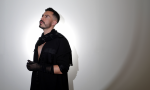



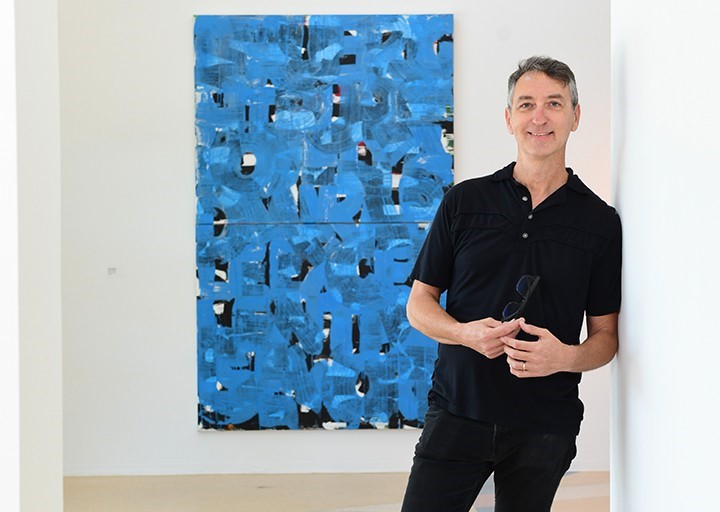
Today we’d like to introduce you to Daniel Marosi.
Alright, so thank you so much for sharing your story and insight with our readers. To kick things off, can you tell us a bit about how you got started?
I studied briefly with Chicago artist Michiko Itatani, who encouraged me to show work in my apartment instead of waiting for gallery representation. I called those shows “open studios” and invited everyone I knew. It pushed me to work toward specific exhibition deadlines and a cohesive body of work.
The open studios expanded, and collectors and curators took notice. Eventually, I participated in gallery shows and worked exclusively with Cancio Contemporary, who placed my work in a lot of private collections. At the time, I specialized in figurative paintings and drawings. But that was gradually changing.
While working on my MFA at Florida International University, Tori Arpad-Cotta looked at pages of writing in my sketchbooks and asked why that didn’t show up in my paintings. The question propelled me into an exploration of text, especially Biblical proverbs, which were a refreshing antidote to the critical theory dominating the conversation in graduate school.
Alright, so let’s dig a little deeper into the story – has it been an easy path overall, and if not, what were the challenges you’ve had to overcome?
I would not recommend any artist to enter a creative practice the way I did. Working full-time as an art director, maintaining a growing family, a rigorous exhibition schedule, and developing an MFA thesis simultaneously was extremely difficult.
My wife is a visionary who continually encourages me to pursue what fulfills me most. Euri’s support during that time was astounding. She paused her career in television to manage our family and household. I would not have done it without her.
Thanks for sharing that. So, maybe next you can tell us a bit more about your work?
I just completed the installation of “Signs of Life” all over Miami Shores. The project comprises a series of road signs displaying phrases derived from ancient Biblical Wisdom Literature. The Books of Proverbs and Ecclesiastes are particularly prescient today. Those aging collections of wisdom contain surprisingly fresh insights for modern readers.
The observations reveal that human behavior has not improved with time or technology. We are still battling sin, which poisons our best intentions. “Signs of Life” appropriates divinely inspired sacred quotes into the vernacular form of road signs to make them familiar and approachable to the general public.
What matters most to you? Why?
Much of what we call Art originated for spiritual purposes. Whether in temples, churches, or tribal rituals, faith is accompanied by objects. Without worship, the objects are silent indications of personal and community spiritual practice.
Art world communities also have shared values with institutions, parishioners, and doctrines. Like religion, art has the potential to manifest the deepest needs of our hearts and minds with tangible phenomena.
We could call it the Sublime. The Bible defines faith as the evidence of things unseen, which I believe is an accurate definition for art too.
Contact Info:
- Website: https://www.danielmarosi.com/
- Instagram: https://www.instagram.com/marosi.daniel/
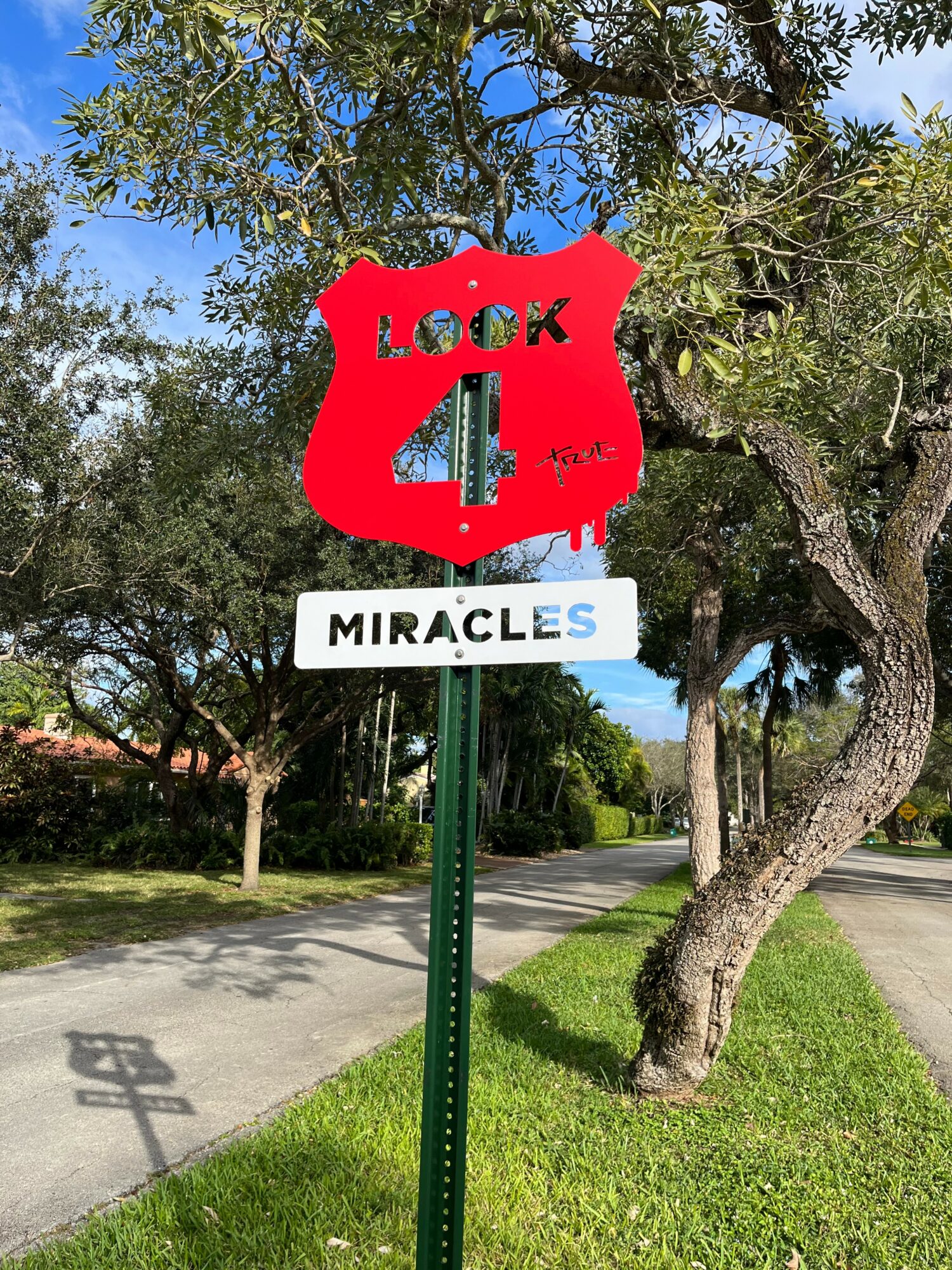
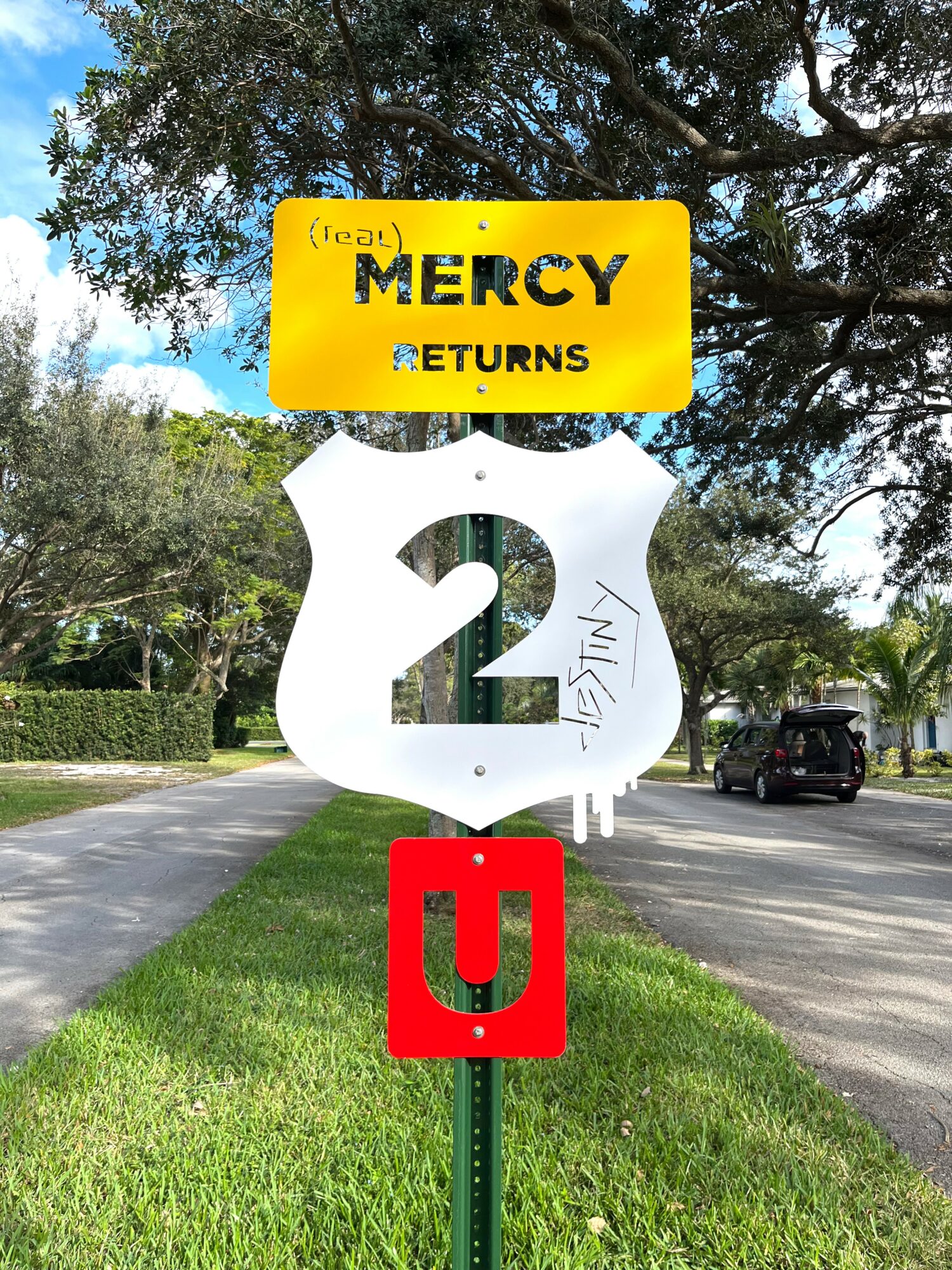
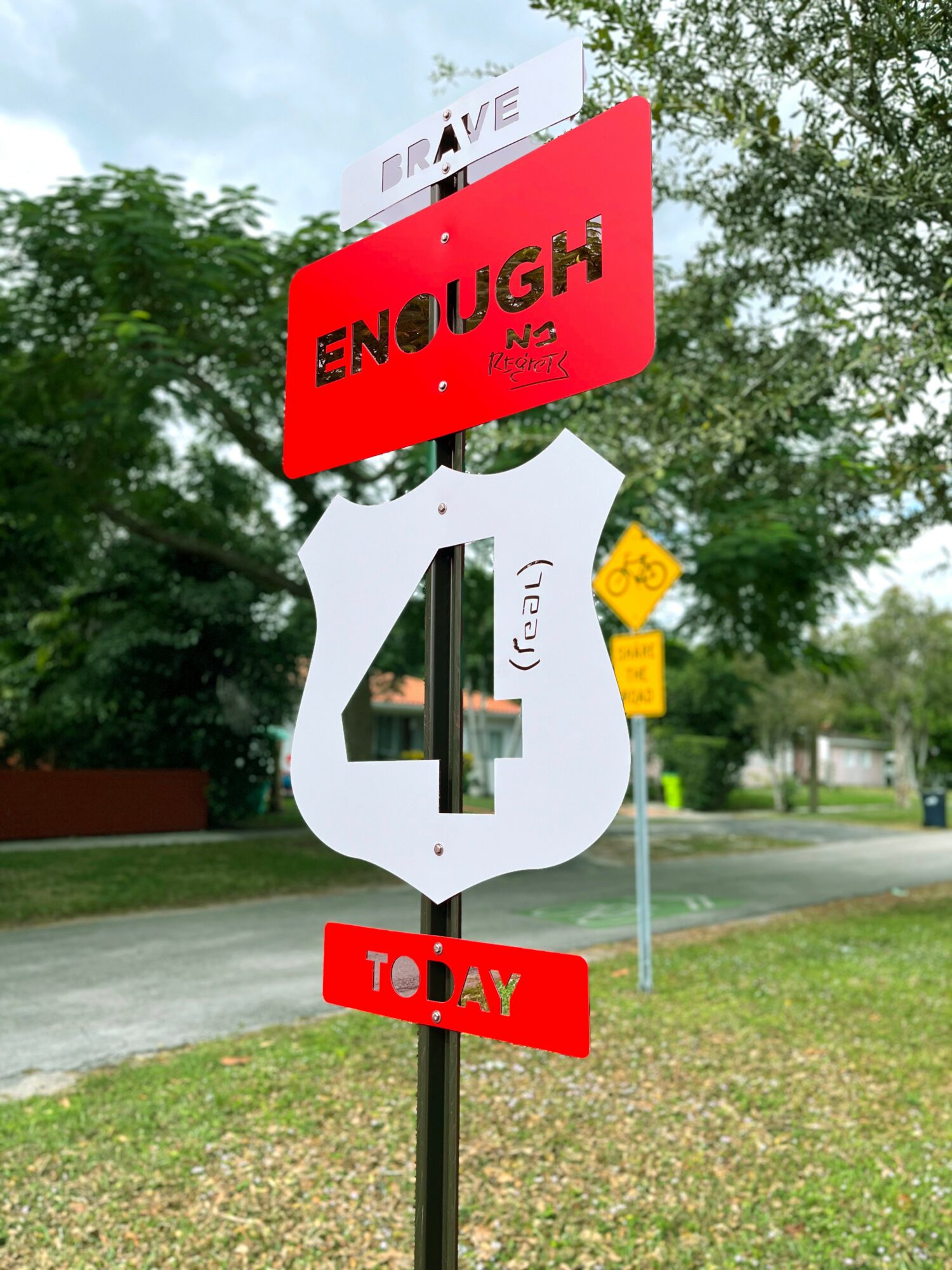
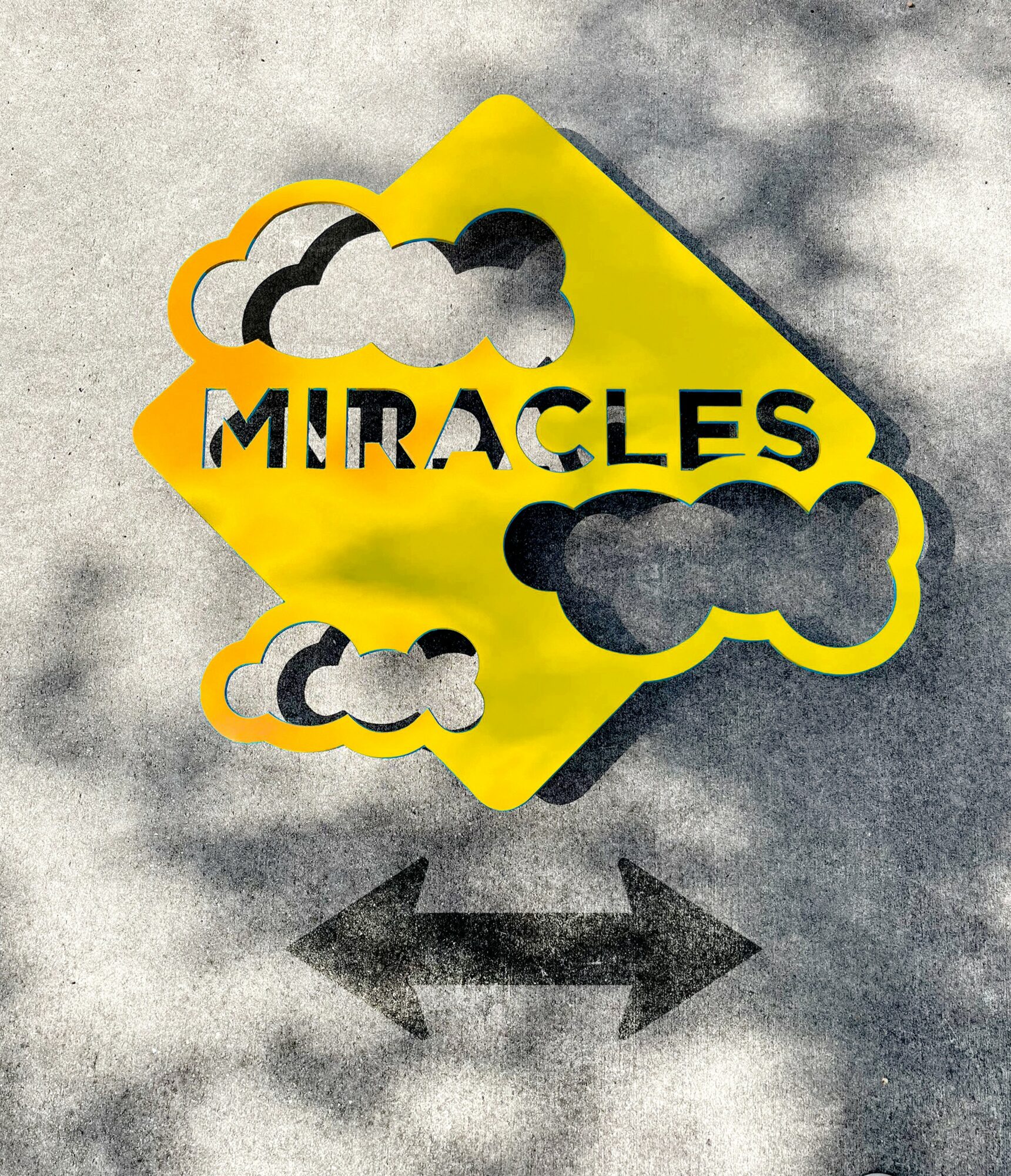
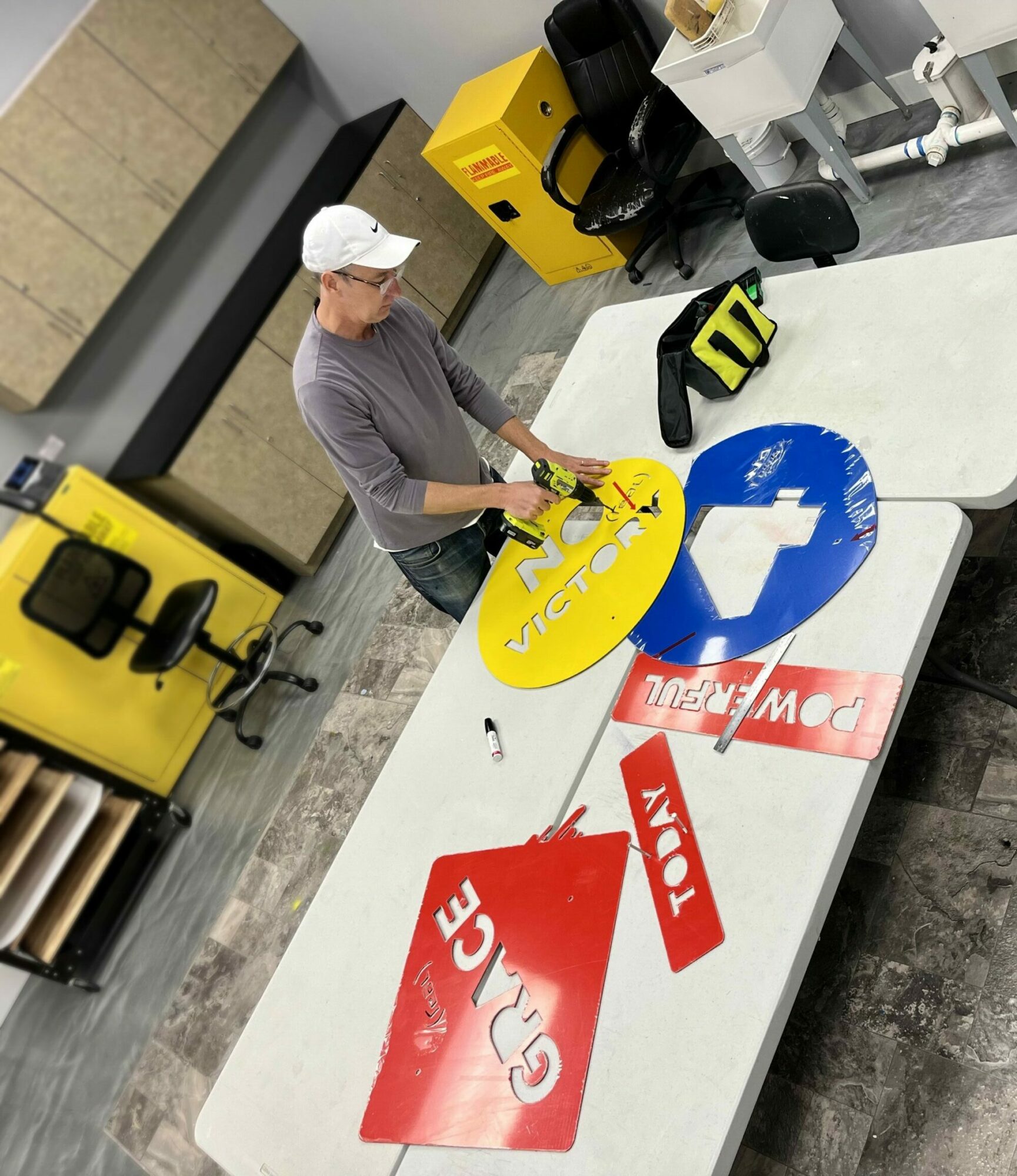
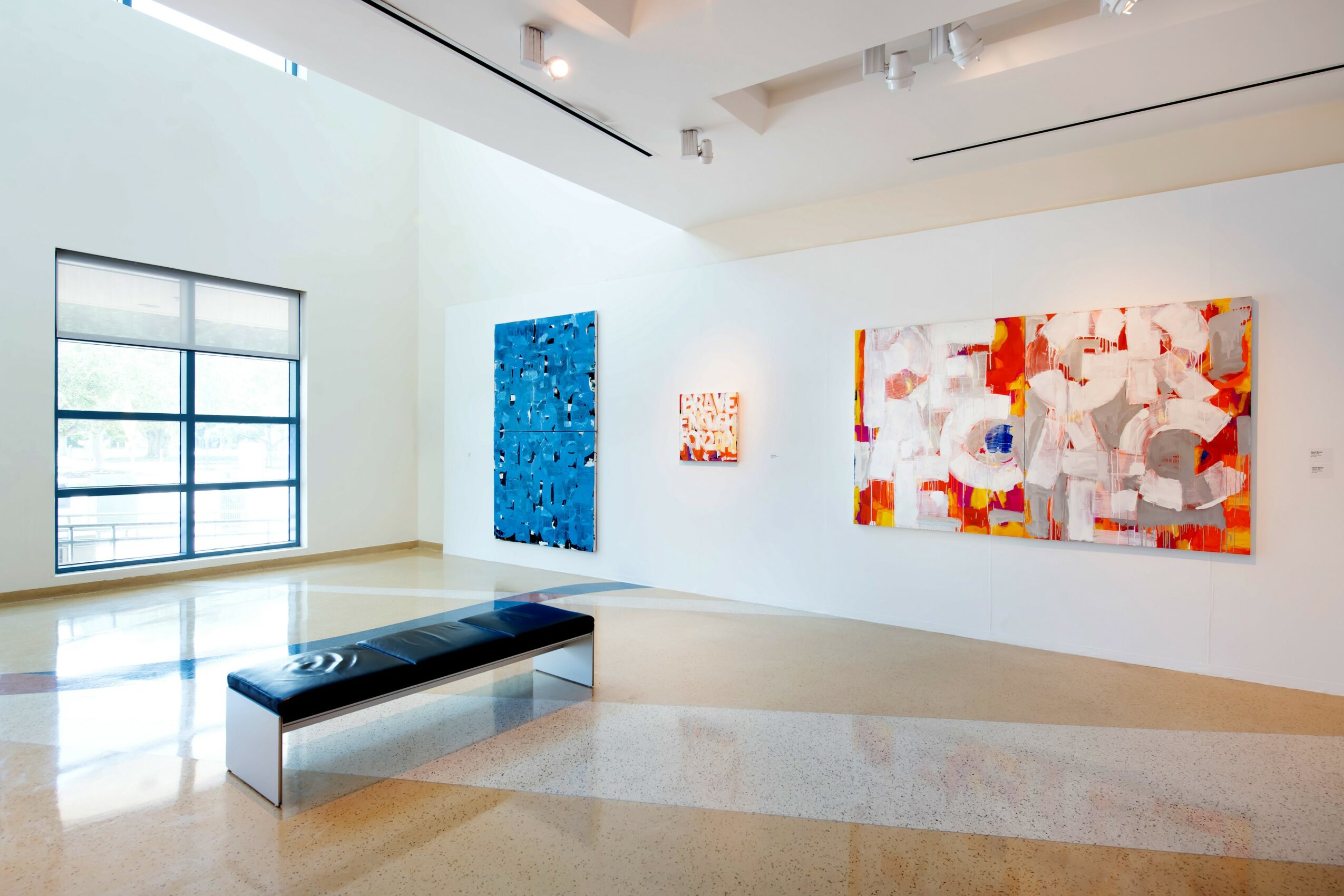
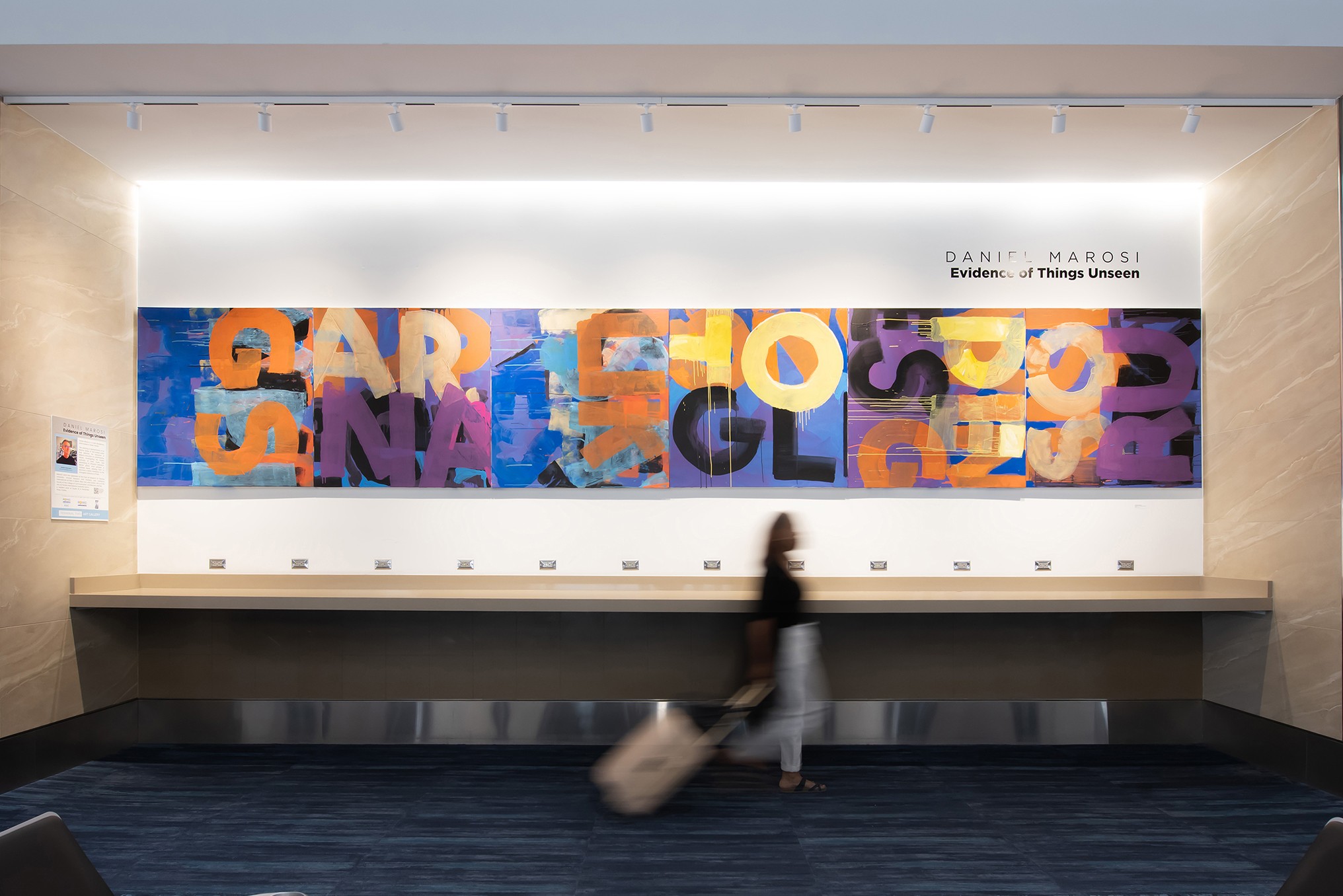
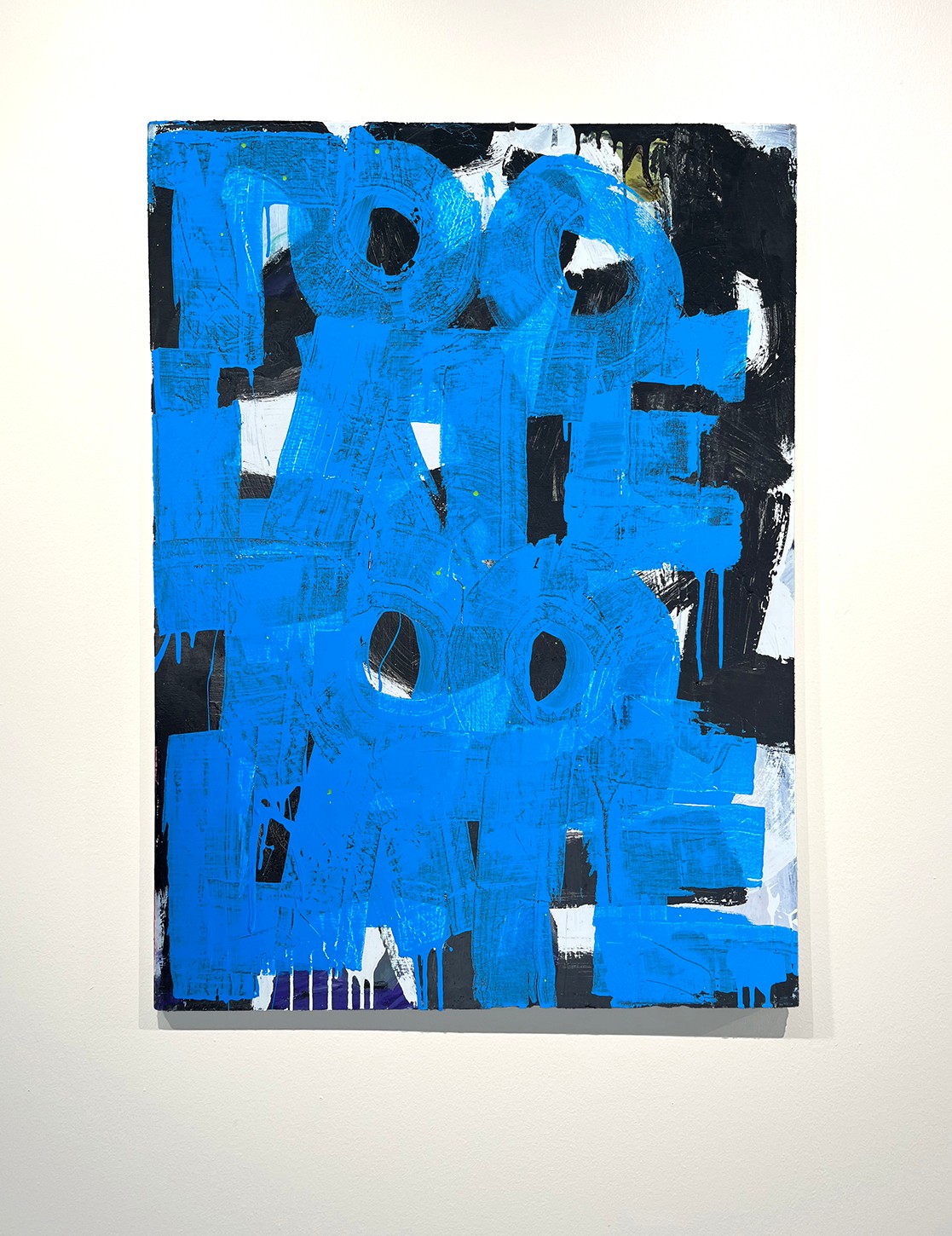
Image Credits
Matt Horton MAROSI001 (Signs of Life, Look 4 Miracles, Miami Shores, Florida), MAROSI002 (Signs of Life, Mercy Returns 2 U, Miami Shores, Florida), MAROSI003 (Signs of Life, Brave Enough 4 Today, Miami Shores, Florida), MAROSI004 (Signs of Life, Miracles All Ways, private collection), MAROSI005 (Daniel Marosi working in his studio), photo by Carl Paoli, MAROSI006 (Solo exhibition at Miami Beach Regional Public Library) photo by Matt Horton MAROSI007, (Site specific painting at Fort Lauderdale-Hollywood International Airport) photo by Matt Horton, and MAROSI008 (TooLateTooLate 2023 Industrial paint on canvas 40 x 30in)